
Embarking on a home renovation in Australia is an exciting journey. It’s a chance to transform your living space, enhance your lifestyle, and significantly increase your property’s value. However, this journey is often paved with potential pitfalls, from unforeseen budget blowouts to frustrating council delays. The dream of a perfect new kitchen or a seamless extension can quickly turn into a stressful nightmare if not managed correctly. What’s the secret ingredient that separates a smooth, successful renovation from a chaotic one? It’s not just the builder or the materials; it’s the quality of the plan. This is where professional architectural drafting becomes the most critical investment you can make.
Architectural drafting is the art and science of creating the detailed, technical language that translates your renovation dreams into a concrete reality. It’s the blueprint that every single person involved in your project—from the council certifier to the carpenter—will rely on. Without precise, compliant, and comprehensive drawings, you’re essentially building on guesswork. This ultimate guide is designed to demystify the world of architectural drafting for Australian homeowners. We will walk you through what it is, why it’s non-negotiable for your 2025 renovation, what documents you’ll need, how to navigate the maze of council approvals, and how to choose the right professional to create your plans. By the end of this guide, you’ll understand why professional architectural drafting services in Australia are the cornerstone of any successful home renovation.
Section 1: What is Architectural Drafting? The Bedrock of Your Renovation
Before diving into the complexities of council regulations and building codes, it’s essential to grasp what architectural drafting truly is and, just as importantly, what it isn’t. Many people use the terms “architect” and “drafter” interchangeably, but they represent distinct, albeit related, professions. Understanding this difference is the first step toward building the right team for your project.
Defining Architectural Drafting
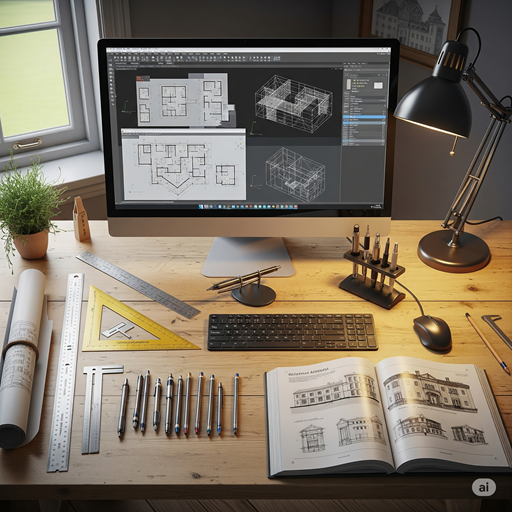
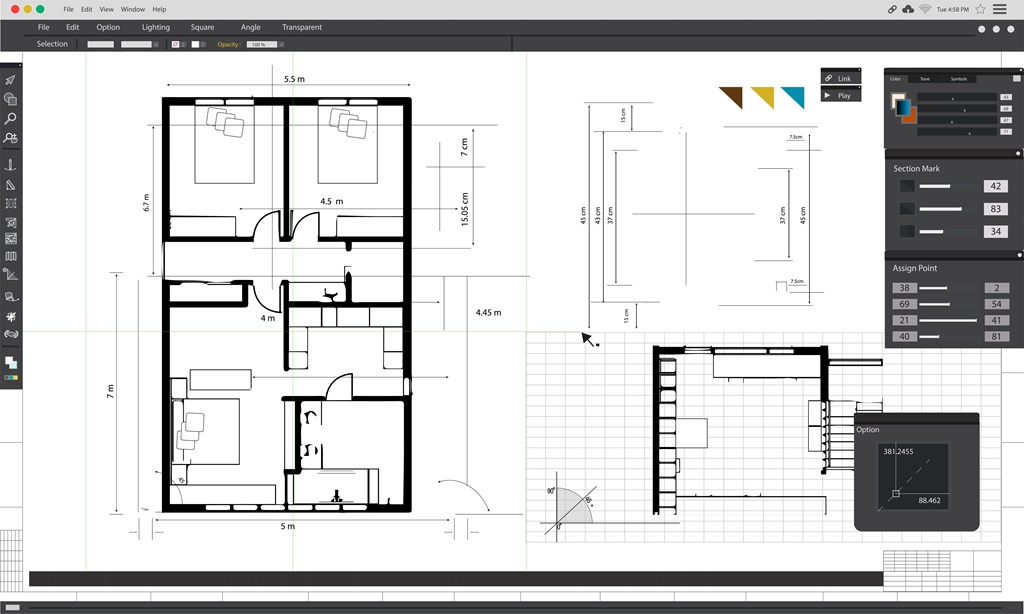
At its core, architectural drafting is the process of creating detailed, technical drawings and plans that visually specify how a building or structure should be built. Think of it as creating the instruction manual for your renovation. These drawings are not mere sketches; they are precise documents produced using specialised Computer-Aided Design (CAD) software like AutoCAD and Revit. They contain exact dimensions, material specifications, construction techniques, and notes that adhere to a strict set of national and local standards.
An architectural drafter, or draftsperson, is a skilled professional trained in turning a design concept into a set of practical, buildable instructions. While an architect is often focused on the high-level design, aesthetics, and spatial theory, a drafter is focused on the technical execution, detail, and compliance. Their work ensures that the beautiful vision is structurally sound, legally compliant, and can be accurately priced and constructed by a builder. For most home renovations, from internal reconfigurations to large extensions, the detailed work of a professional drafter is the engine that drives the project forward.
Why You Can’t Afford to Skip Professional Drafting
In the age of DIY, it can be tempting to try and save money by sketching up your own plans or using basic online software. This is almost always a costly mistake. Here’s why professional drafting is an essential investment, not an optional expense:
- Accuracy and Precision: A few millimetres on a plan can translate to a few thousand dollars of rework on site. Professional drafters ensure every measurement is precise, every angle is correct, and every component fits together as intended. This microscopic attention to detail prevents the costly errors that arise from ambiguous or amateur plans.
- Council Compliance: Australian building projects are governed by the National Construction Code (NCC) and a labyrinth of local council regulations. A professional drafter is fluent in this complex legal language. They create plans that meet all requirements for fire safety, energy efficiency, structural integrity, and accessibility, ensuring a smoother path to getting your project approved.
- Clear Communication: Your architectural plans are the primary communication tool for your entire project. They provide a single source of truth for your builder, plumber, electrician, and carpenter. Clear, detailed plans eliminate ambiguity, reduce disputes, and ensure everyone is working towards the same goal.
- Effective Cost Management: Detailed plans allow builders to provide a more accurate and fixed quote. When every material, fixture, and finish is specified on the drawings, there are fewer “provisional sums” or unexpected variations that can blow your budget. Furthermore, a skilled drafter can help optimise designs for material efficiency, saving you money on construction costs.
- Visualisation and Confidence: Seeing your ideas translated into professional plans gives you the confidence that your vision is viable. With modern 3D modelling, you can even take a virtual tour of your renovated space before a single hammer is swung, allowing you to make changes on screen rather than in concrete.
Ultimately, the money you “save” on professional drafting is often spent ten times over fixing mistakes, dealing with council rejections, and resolving disputes with builders. Investing in a quality set of plans from the outset is the smartest financial decision you can make for your renovation.
Section 2: The Anatomy of a Plan: Key Drawings Your Renovation Needs
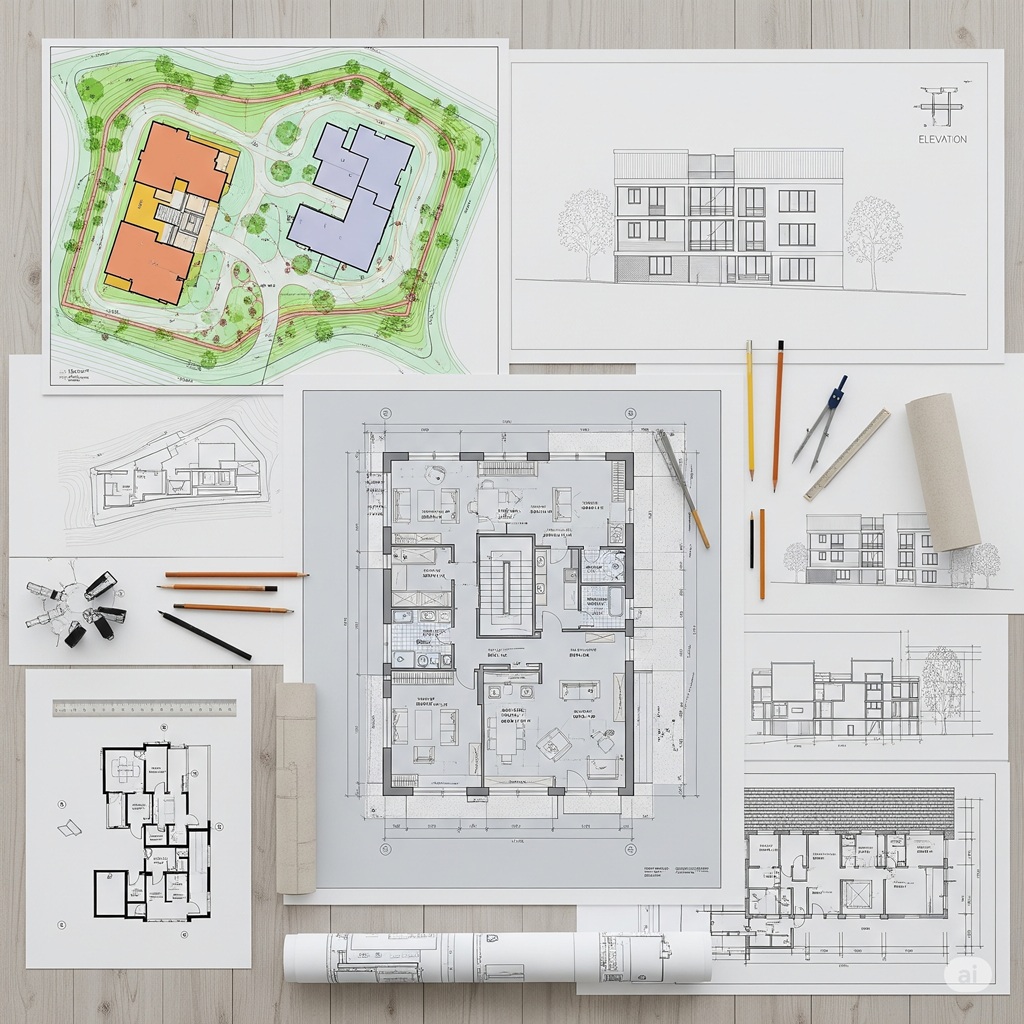
When you engage a drafting service, you’re not just getting “a drawing.” You’re receiving a comprehensive set of documents, each with a specific purpose. Understanding these key drawings will empower you to have more meaningful conversations with your drafter and builder and to fully appreciate the scope of work involved. This collection of documents is often referred to as a “Development Application (DA) set” or “Construction Certificate (CC) set.”
Site Plan: The Bird’s-Eye View
The site plan is the foundational drawing for any renovation that alters the building’s footprint or exterior. It shows your entire property from a top-down perspective, like a map.
- What it includes: The site plan details your property boundaries (with dimensions), the location and outline of the existing house, and the precise location of the proposed extension or new structures (like a deck or carport). It also shows crucial information like setbacks from boundaries, driveway locations, existing trees, contours of the land, and locations of services like sewer and stormwater drainage.
- Why it’s vital: The council uses this plan to assess if your proposed renovation complies with local zoning rules, such as how far you must build from your neighbour’s fence or the street. It’s the first drawing they will look at.
Floor Plans: The Heart of the Design
This is the drawing most people are familiar with. A floor plan is a diagram of your home as if the roof has been removed, looking down at the layout of a single level. You will have separate floor plans for “existing” and “proposed” layouts.
- What it includes: A detailed floor plan shows everything from wall locations and thicknesses to room dimensions, door and window positions and sizes, the layout of kitchens and bathrooms, locations of stairs, and fixed joinery. It will also include symbols for electrical outlets, lighting, and plumbing fixtures. A professionally drawn floor plan is rich with notes and dimensions that leave nothing to interpretation.
- Why it’s vital: This is the primary document for understanding the flow and functionality of your renovated space. It’s used by almost every trade on site, from the framer to the floorer to the electrician, to understand where everything goes.
Elevations: The Exterior Façade
While floor plans show the layout, elevations show the look. An elevation is a 2D drawing of a building’s exterior façade, showing exactly what it will look like from the outside. You will have a separate elevation drawing for each side of the house (e.g., North, South, East, West).
- What it includes: Elevations specify external wall materials (brick, weatherboard, render), window and door styles, roof pitches and materials (Colorbond, tiles), and finished ground and floor levels. They give a clear picture of the building’s aesthetic and its height in relation to the land.
- Why it’s vital: Councils use elevations to assess the visual impact of your renovation on the streetscape and neighbouring properties. It ensures the design is sympathetic to the area’s character and doesn’t create issues of overlooking or overshadowing. For you, it’s the best way to confirm the final “look” of your home.
Sections: A Cross-Sectional Slice
If you were to slice your house in half like a cake and look at the cut edge, you would be looking at a section. A sectional drawing reveals the internal construction and anatomy of the building.
- What it includes: Sections show crucial technical details like foundation and footing design, wall and roof frame construction, insulation types and locations, ceiling heights, and the relationship between different floor levels.
- Why it’s vital: This drawing is indispensable for the builder. It provides a clear guide on how the structure is to be assembled. It’s also critical for council certifiers to verify that the construction methods meet the National Construction Code.
Details and Schedules
For more complex elements, even more detail is required.
- Detail Drawings: These are zoomed-in, large-scale drawings of specific junctions, such as how a window is fitted into a wall, how the roof connects to the wall, or waterproofing details for a bathroom. They ensure critical areas are built correctly and to a high standard.
- Schedules: These are tables that list all the windows and doors for the project, with codes that correspond to the plans. The schedule provides exact dimensions, materials, glass types, and any other specifications for each item, making it easy for the builder to order the correct products.
Together, these documents form a complete and unambiguous language. They ensure that your vision is captured, your compliance is met, and your builder has everything they need to bring your Australian home renovation to life, on time and on budget.
Section 3: The Biggest Hurdle: Navigating Australian Building Codes & Council Approvals
This is the section that often causes the most anxiety for homeowners. The process of getting a project approved by a local council can seem opaque, bureaucratic, and slow. However, with a comprehensive set of plans created by a professional who understands the system, it can be a smooth and predictable part of the journey. The entire system is in place for one reason: to ensure that all buildings are safe, healthy, and sustainable for their occupants and the wider community.
The Two Pillars of Regulation: NCC and Local Councils
In Australia, building regulation is a two-tiered system. You need to comply with both.
- The National Construction Code (NCC): The NCC is a uniform set of technical standards for the design and construction of buildings throughout Australia. It covers everything from structural integrity and fire safety to health, amenity, and energy efficiency. It’s not a book of design ideas; it’s a book of minimum requirements to ensure safety and quality. Your drafting professional must have an intimate knowledge of the NCC to ensure every aspect of your plan, from the size of beams to the type of insulation, is compliant.
- Local Council Regulations: While the NCC sets the technical building standards, your local council (e.g., City of Stirling, City of Fremantle in Perth) sets the planning rules. These are often documented in a Local Planning Scheme (LPS) and various planning policies. These rules govern what you can build, where you can build it on your property, and what it can look like. They cover things like:
- Zoning: What your land can be used for (e.g., Residential R20, R40).
- Setbacks: The minimum distance your building must be from property boundaries.
- Site Coverage & Open Space: The maximum percentage of your block you can cover with buildings versus the amount you must leave as open garden space.
- Building Height: How tall your renovation can be.
- Visual Privacy & Overshadowing: Rules to ensure your renovation doesn’t negatively impact your neighbours’ access to sunlight or their privacy.
A professional drafter’s value shines here. They don’t just draw what you want; they design and draw what is approvable, skillfully balancing your vision with the constraints of the regulations.
The Australian Home Renovation Approval Process Flow
The Approval Process Explained: DA vs. Building Permit
For most significant renovations, you will likely need two main approvals:
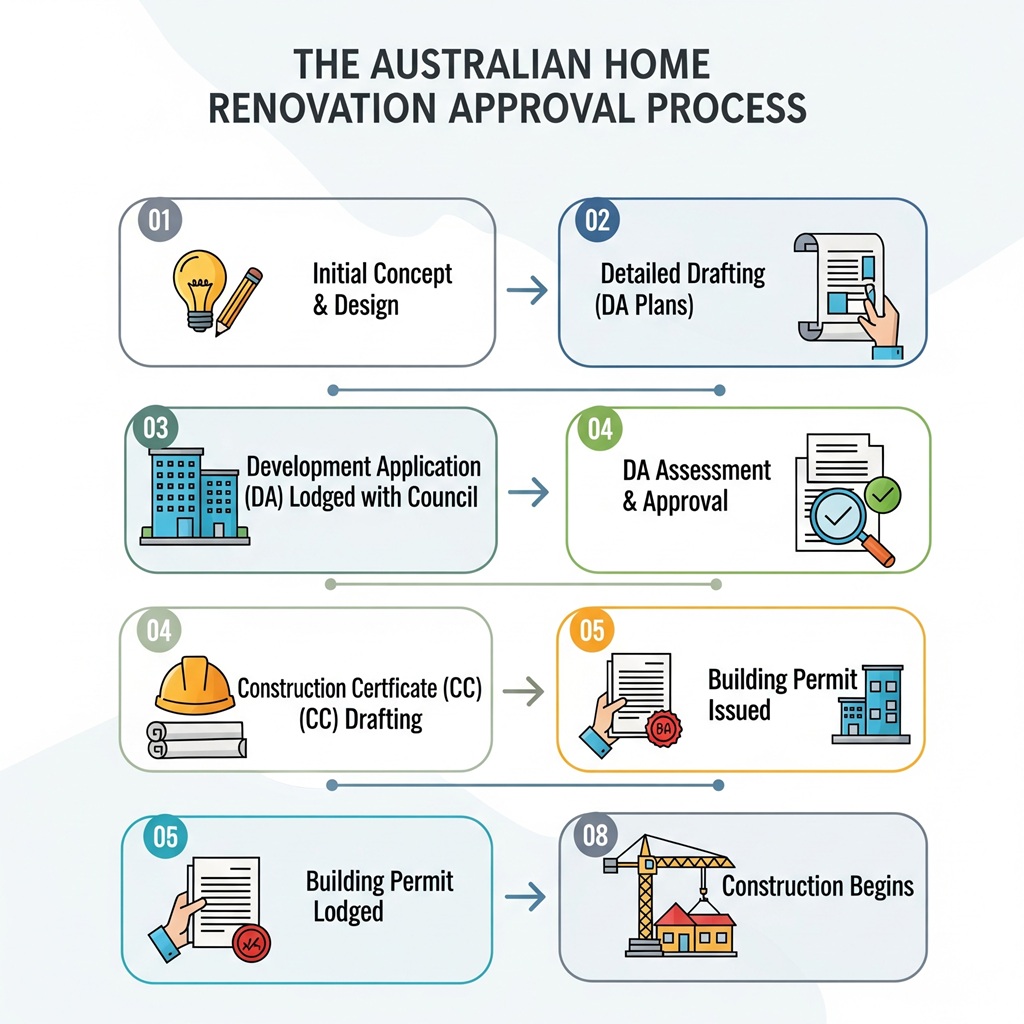
- Development Application (DA): This is where you ask the council for permission to carry out your proposed development. You submit your DA set of plans (site plan, floor plans, elevations) and other reports. The council’s planning department assesses these plans against the local planning scheme. They are checking the planning impact—things like aesthetics, size, location, and neighbourhood amenity. This process can take anywhere from 60 to 90 days, or longer if it’s complex or requires public notification.
- Building Permit (or Construction Certificate – CC): Once you have DA approval, you then need a Building Permit. This is a separate assessment, usually carried out by a private building surveyor or the council’s certifier. They assess the detailed construction plans against the National Construction Code. They are checking for technical compliance—is the structure sound? Is the fire safety adequate? Does it meet energy efficiency requirements? This confirms that your project will be built safely and to standard. Construction cannot legally begin until you have a Building Permit.
How Professional Drafting Prevents Rejections and Delays
A council’s Request for Further Information (RFI) or an outright rejection can delay your project by months and add thousands in redesign fees. The vast majority of these issues stem from incomplete or non-compliant plans.
A professional drafter minimises this risk by:
- Conducting a Thorough Pre-Design Analysis: They will research your specific property’s zoning and local policies before drawing a single line.
- Ensuring Completeness: They know exactly what information, notes, and details the council assessors need to see and ensure it’s all there in the initial submission.
- Designing for Compliance: They will guide you on design choices that work within the rules, preventing you from falling in love with a design that will never get approved.
- Speaking the Council’s Language: If the council does have a query, your drafter can communicate with them effectively on a technical level to resolve issues quickly.
Navigating this process is a core part of the service we provide. You can feel confident that your project is in safe hands when you ensure council approval with our expert drafting services.
Section 4: One Size Doesn’t Fit All: Types of Architectural Drafting Services
The world of drafting is diverse, with specialists and services tailored to different project stages and needs. Understanding the different types of services available will help you choose the right level of support for your renovation and ensure you’re not paying for services you don’t need, or missing out on ones that could add immense value.
Conceptual & Feasibility Drafting
This is the very first stage, where ideas are fluid and possibilities are explored.
- What it is: Conceptual drafting involves creating preliminary sketches, simple floor plans, and massing models. It’s less about technical detail and more about exploring different layouts and design options to see what works best for your family’s needs and your property.
- When you need it: This is perfect if you have a general idea of what you want (e.g., “an open-plan living area and an extra bedroom”) but aren’t sure how to best achieve it. It’s a low-cost way to test the feasibility of your ideas before committing to a full set of detailed plans.
Development Application (DA) Drafting
This is the most common service for homeowners undertaking a renovation.
- What it is: This service is focused on one thing: creating the full set of architectural drawings (site plans, floor plans, elevations, etc.) required by your local council to assess and approve your Development Application. The plans contain all the information needed to demonstrate compliance with planning policies.
- When you need it: You need this for any renovation that changes the building’s external appearance, footprint, or use. It’s the essential package for getting the green light from the council.
Construction Documentation Drafting (For Construction Certificate/Building Permit)
Once you have DA approval, your plans need another level of detail before a builder can start work.
- What it is: This service takes the approved DA drawings and fleshes them out with a huge amount of technical detail. This includes specifying beam sizes, footing details, construction notes, material callouts, and detailed section drawings. This is the set of drawings required to obtain a Building Permit or Construction Certificate.
- When you need it: You need this after your DA is approved. These are the final “working drawings” that your builder will use to provide a fixed quote and construct the project. Some homeowners get a combined DA/CC set prepared at once to save time.
3D Modelling and Rendering
This service uses technology to bring your 2D plans to life.
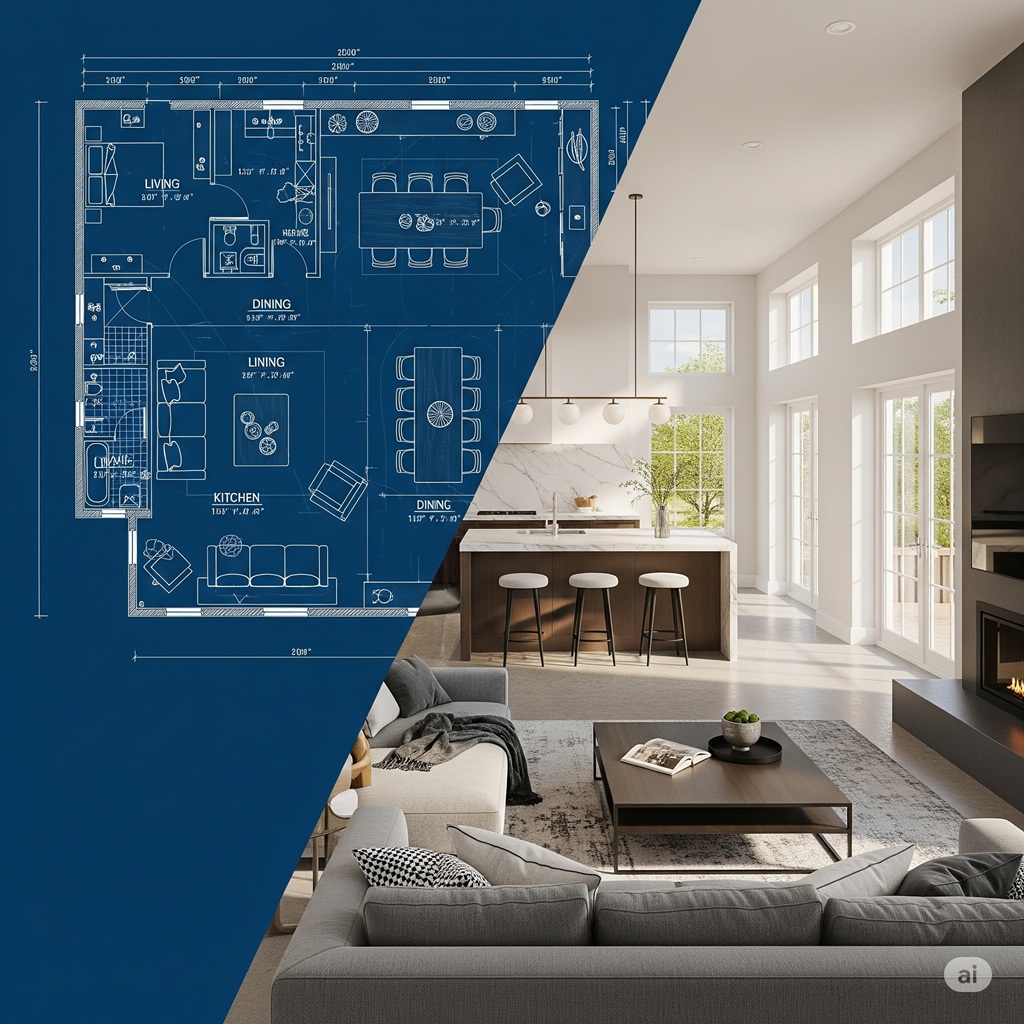
- What it is: Using the 2D CAD plans as a base, the drafter creates a photorealistic 3D model of your proposed renovation. You can see the space from any angle, understand how light will fill a room, and see exactly how the finished materials will look.
- When you need it: This is invaluable for anyone who has trouble visualising a space from flat 2D drawings. It allows you to make critical design decisions with confidence and can be a powerful tool for finalising colours, materials, and finishes before they are ordered.
As-Built Drafting
This service happens after the renovation is complete.
- What it is: During construction, small changes are sometimes made on-site. As-built drafting involves updating the original plans to reflect exactly what was actually built.
- When you need it: These drawings are incredibly useful for future maintenance or further renovations. They also form an accurate, official record of your property, which can be valuable when it comes time to sell.
Choosing the right combination of these services will ensure your project is efficient, compliant, and perfectly aligned with your vision from the initial idea to the final handover.
Section 5: Your Most Important Hire: Choosing the Right Drafting Service in Australia
Selecting the right person or company to draw your renovation plans is one of the most critical decisions you will make. This professional will be responsible for the technical integrity of your project, navigating the council, and creating the documents that will dictate the final cost and quality of the build. It’s a decision that deserves careful research and due diligence.
Key Factors to Consider
Don’t just choose based on the cheapest quote. Look for value, expertise, and a good working relationship.
- Experience and Portfolio: The proof is in the pudding. Ask to see a portfolio of their previous work, specifically focusing on home renovations similar in style and scale to yours. This demonstrates their capabilities and shows you the quality of their documentation. An experienced drafter will have encountered and solved many common renovation challenges before.
- Local Knowledge: This is crucial. A drafter based in Perth will have a deep, practical understanding of Perth’s local council requirements, soil conditions, and common construction styles. This local expertise is invaluable for a smooth approval process and a design that is appropriate for the local environment.
- Qualifications and Insurance: Ensure your drafter holds relevant qualifications, such as a Diploma or Advanced Diploma of Building Design or Architectural Technology. Crucially, verify that they hold Professional Indemnity insurance. This protects you in the unlikely event that an error in their plans causes a financial loss.
- Software Proficiency: The industry standard is CAD software like AutoCAD and Revit (which is used for BIM – Building Information Modelling). Proficiency in this software ensures accurate, professional, and easily shareable plans. Ask if they offer 3D modelling services, as this can be a huge benefit.
- Communication and Rapport: You will be working closely with this person for several months. Choose someone you can communicate with easily, who listens to your ideas, and can explain complex technical concepts in a way you understand. A good drafter is a collaborative partner.
- Clear Quoting and Inclusions: Get a written quote that clearly outlines exactly what is included in their fee. Does it cover council submission fees? How many revisions are included? Are site visits part of the package? A transparent quote prevents misunderstandings down the line.
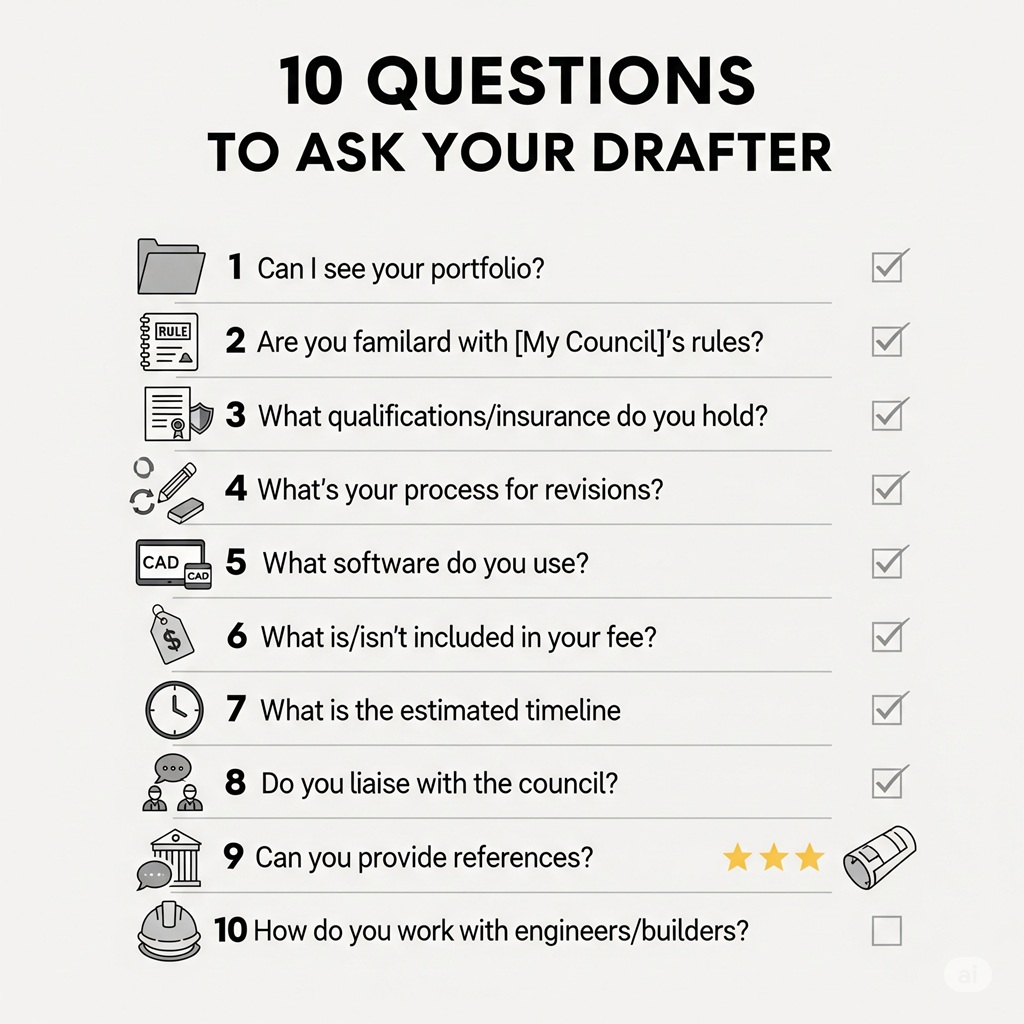
10 Questions to ask your drafter in Australia
Red Flags to Watch Out For
- Vague or Unusually Low Quotes: If a price seems too good to be true, it probably is. It may mean they are cutting corners or will hit you with extra charges later.
- Lack of a Professional Portfolio: If they can’t show you quality examples of their past work, it’s a major red flag.
- Poor Communication: If they are slow to respond to your initial enquiry or communicate unprofessionally, imagine what it will be like when you’re deep into the project.
- Guarantees of Council Approval: No one can 100% guarantee council approval, as decisions can sometimes be subjective. A professional will be confident in their ability to create a compliant design but should not make unrealistic promises.
Your home is your biggest asset. Entrust its plans to a professional who respects that. If you’re ready to discuss your project, we invite you to get a free quote for your architectural drafting needs in Perth and experience the difference that professionalism and expertise make.
Section 6: The Drawing Board of Tomorrow: The Future of Architectural Drafting
The field of architectural drafting is not static. Just like every other industry, it’s being transformed by technology. The chalkboards and ink pens of the past have been replaced by powerful software, and the pace of change is only accelerating. Choosing a drafting service that is not just proficient in today’s technology but is also looking towards the future ensures your project benefits from the most efficient and innovative practices available.
BIM is a Game Changer
The most significant shift in recent years has been the move from 2D CAD to 3D BIM (Building Information Modelling).
- What is BIM? BIM is not just 3D modelling. It’s an intelligent process where a digital model of a building is created that contains layers of information. Instead of just lines on a screen, the model has “objects”—a wall knows it’s a wall, a window knows its size and material, and a beam knows its structural properties.
- The Benefits: This integrated model allows for incredible coordination. For example, if you move a wall, the floor plan, elevations, and door schedule all update automatically, drastically reducing the risk of errors from manual changes. It allows for clash detection (e.g., seeing if a plumbing pipe will run through a structural beam) before construction begins. It leads to more accurate costings, better collaboration, and a more efficient build.
Virtual and Augmented Reality (VR/AR)
The next frontier is immersive visualisation.
- Virtual Reality (VR): This allows you to put on a headset and “walk through” your renovated home at a 1:1 scale before it’s built. You can experience the sense of space, check sightlines, and get a true feel for the design in a way that 2D drawings or even on-screen 3D models can’t match.
- Augmented Reality (AR): AR technology can overlay a 3D model of your proposed extension onto a real-time view of your existing home through a tablet or phone. You can stand in your backyard and see exactly how the new extension will look in its real-world context.
A Focus on Sustainability
Modern drafting is also becoming intrinsically linked with sustainable design. Drafters are now key players in specifying energy-efficient materials, designing for passive solar gain to reduce heating and cooling costs, and ensuring compliance with increasingly stringent energy efficiency standards in the NCC. A forward-thinking drafting service can help you make your home not only more beautiful and functional but also cheaper to run and kinder to the environment.
At The Next Rex, we are committed to staying at the forefront of these technological advancements, integrating BIM processes and modern visualisation tools to provide our clients with the most accurate, efficient, and insightful drafting services on the market.
Conclusion: Your Project’s Foundation is the Plan
We’ve journeyed through the entire landscape of architectural drafting, from the foundational lines of a site plan to the immersive world of virtual reality. The central takeaway is this: your architectural plans are not just a bureaucratic hurdle to overcome. They are the single most important document in your entire renovation project. They are the foundation upon which everything else is built.
A high-quality, professional set of drawings will save you money by preventing costly on-site errors. It will save you time by ensuring a smoother path through council approvals. And it will save you stress by providing clarity and a single source of truth for you and your building team. In the complex and high-stakes world of home renovations, investing in expert drafting is the ultimate form of risk management and the surest path to achieving the outcome you dream of. It’s the framework that turns your vision into a valuable, functional, and beautiful reality.
Don’t leave the most critical part of your project to chance. Ready to bring your dream home renovation to life? Contact The Next Rex for expert architectural drafting services today!